What Is CPAP Therapy and How Does It Work?
What Is CPAP Therapy and How Does It Work?
Continuous Positive Airway Pressure (CPAP) therapy is the most common and effective treatment for obstructive sleep apnea (OSA) — a condition where the airway repeatedly collapses during sleep. This blockage causes pauses in breathing, loud snoring, and drops in blood oxygen levels that can strain your heart, raise blood pressure, and disrupt deep sleep.
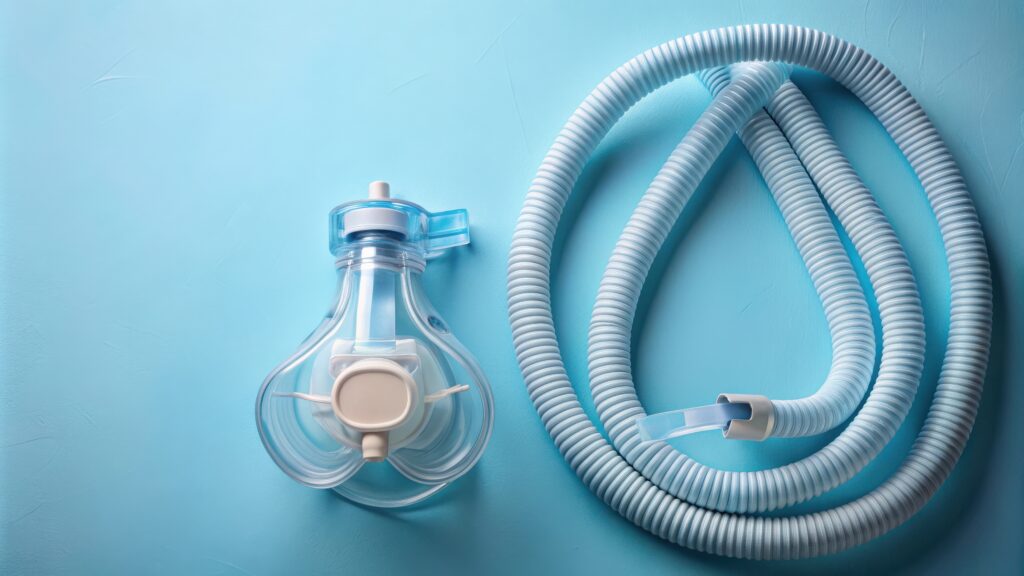
A CPAP machine delivers a steady stream of pressurized air through a hose and mask to keep your airway open. By preventing those nightly interruptions, CPAP helps your body maintain healthy oxygen levels and achieve restorative rest.
How Does a CPAP Machine Work?At its core, a CPAP setup has three main components:
-
- The Machine:
A small, quiet motor draws in room air and gently pressurizes it. Most modern CPAPs automatically adjust pressure to your breathing patterns, making therapy more comfortable. - The Tubing:
A flexible hose connects the machine to your mask, carrying the air at a constant pressure. Heated tubing options can prevent condensation and keep the air warm. - The Mask:
Your mask delivers the air directly to your airway. Common styles include:
-
- Nasal masks – cover the nose only; best for most users
- Nasal pillow masks – rest at the nostrils; great for minimalists
- Full-face masks – cover nose and mouth; ideal for mouth breathers or those with nasal congestion
When these components work together, your upper airway stays open — preventing the choking or gasping that can happen hundreds of times per night without treatment.
The Science Behind Airflow
- Reduce daytime sleepiness: Restorative sleep improves alertness, memory, and mood.
- Lower blood pressure: Especially for those with hypertension or cardiovascular disease.
- Improve heart health: Reduces strain on the heart caused by low oxygen levels.
- Enhance energy and concentration: Many users report better focus and productivity within days.
- Support metabolic balance: Healthy sleep supports weight control and blood sugar regulation.
Common Misconceptions About CPAP
“I’ll never get used to it.”
Almost everyone struggles at first — but proper mask fitting, gradual pressure adjustment, and patience make a huge difference.“It’s noisy.”
Modern CPAP machines are whisper-quiet (around 25–30 decibels — softer than a whisper).“It’s only for severe sleep apnea.”
Even mild or moderate sleep apnea can affect heart health and energy levels. Early treatment prevents long-term complications.Getting Started with CPAP
Your journey typically begins with a sleep study (in-lab or at home) to diagnose the severity of your apnea. A sleep specialist will then prescribe a pressure setting and recommend equipment based on your comfort and breathing needs.
When choosing your first setup:
- Focus on mask comfort and fit — this is the #1 factor for success.
- Consider machines with auto-adjusting pressure (APAP) if your breathing varies.
- Use a humidifier to prevent dryness and nasal irritation.
Tip: Always clean your mask and tubing regularly to prevent bacteria buildup (see our upcoming guide, “How to Clean Your CPAP Equipment the Right Way.”)
What to Expect When You Start
During the first few nights, it’s normal to feel strange wearing a mask or adjusting to airflow. Many users find that using CPAP for short naps during the day helps them adapt faster. Within a week or two, most people report better sleep quality and fewer morning headaches.
If issues arise — leaks, dryness, or discomfort — don’t give up. Small adjustments or switching mask styles often solve the problem.
Final Thoughts
CPAP therapy is the gold standard for sleep apnea treatment because it works. It restores your breathing, protects your heart, and helps you reclaim the energy and alertness that restful sleep provides.
With a bit of patience and the right setup, CPAP can transform your nights — and your days.
- The Machine: